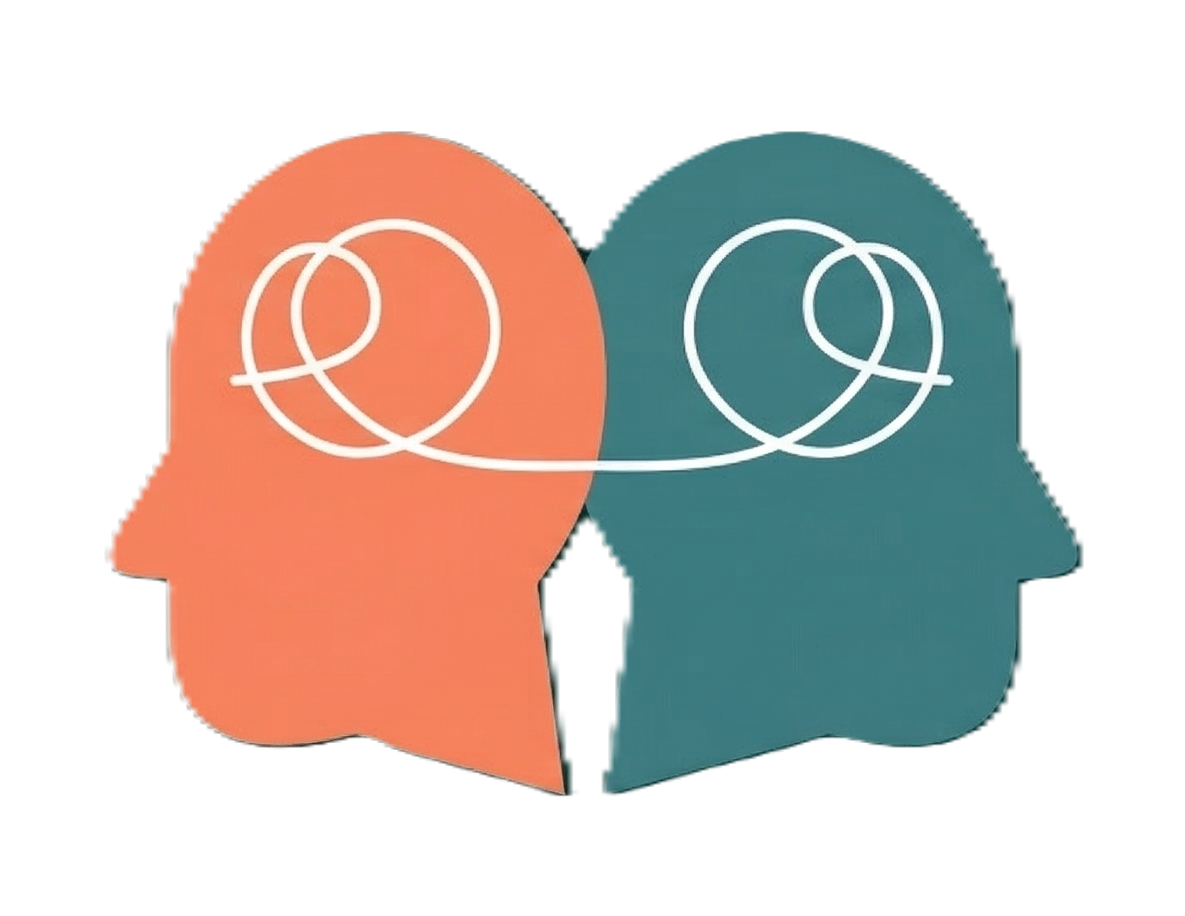
How your thoughts, feelings, and beliefs can positively or negatively affect your biological functioning.
Most people arrive in therapy describing a problem in their head — worry that will not switch off, a mood that will not lift, a decision they cannot make. But somewhere in the first few sessions, the body usually enters the conversation. The jaw that aches by evening. The shoulders that live somewhere near the ears. The stomach that turns over before a meeting. These are not separate complaints. They are the same story, told in a different language.
Your body keeps a running commentary
When your brain registers a threat — a real one, or an imagined one your mind has rehearsed forty times — it does not stop to check which kind it is. It prepares you. Your heart rate climbs so blood reaches your muscles. Your breathing goes shallow and fast. Digestion slows, because digesting lunch is not a priority if you are about to run. Muscles tense in anticipation.
This is an elegant system, and it works beautifully when the threat is immediate and brief. The difficulty is that modern stress is rarely brief. A difficult manager, an unresolved argument, financial pressure, a diagnosis in the family — these do not resolve in ninety seconds. So the system stays switched on, quietly, for weeks. And a response designed for emergencies becomes the background setting of an ordinary Tuesday.
What that looks like day to day
Clients often describe some version of the following, and are surprised to learn it is common rather than strange:
- ◆Tension headaches that arrive predictably in the late afternoon
- ◆Digestive discomfort that no test seems to explain
- ◆Waking at 3 or 4 AM with the mind already at full speed
- ◆Exhaustion that sleep does not repair
- ◆Getting sick more often during demanding periods
- ◆A tight chest or a sense of not being able to take a full breath
None of this means the symptoms are imaginary. It means the body is participating. Physical symptoms deserve proper medical assessment — please see a doctor. But when investigations come back clear and the symptoms persist, the mind-body connection is often the missing part of the picture.
The loop runs in both directions
Here is the part that is genuinely useful: this is not a one-way street where thoughts dictate to a passive body. The body talks back, and it can be spoken to.
Slow, extended exhalations activate the parasympathetic nervous system — the branch responsible for recovery. Not as a metaphor; as physiology. When you lengthen your out-breath beyond your in-breath, you are directly signalling to your nervous system that the emergency has passed. Sleep, sunlight, movement, and unhurried meals do similar work.
You cannot always think your way into feeling calm. But you can often breathe your way into a body that makes calm thinking possible.
Where Cognitive Behaviour Therapy fits
In CBT we look at the relationship between what you think, what you feel emotionally, what your body does, and how you then behave. Each corner feeds the others. Someone who thinks "I am going to embarrass myself" feels dread, notices their heart racing, interprets the racing heart as proof that something is wrong, and avoids the situation — which teaches the brain that the threat was real.
Break the loop at any corner and the whole pattern loosens. Sometimes we work on the thought. Sometimes it is far more effective to work on the body first, because a nervous system in alarm is not in a state to evaluate evidence fairly.
Three things worth trying this week
- Notice before you fix. Two or three times a day, pause and ask: where am I holding tension right now? No need to change it. Naming it is the skill.
- Extend the exhale. Breathe in for a count of four, out for a count of six or seven. Six rounds. This works in a meeting, in traffic, or before a difficult conversation, and nobody can tell you are doing it.
- Move without a target. Ten minutes of walking, with no step count and no podcast. Movement metabolises stress hormones in a way that sitting still does not.
None of these are a substitute for treatment when something more serious is going on. But they are a way of beginning to listen to a body that has probably been trying to get your attention for some time.
When to seek support
If physical symptoms are persistent, if sleep has been disturbed for weeks, or if worry has started to shape what you will and will not do, it is worth talking to someone. These patterns respond well to structured, evidence-based work — often faster than people expect.